The Parisian Cafeteria: Wine, cheese, and beef bourguignon
Issue No. 4 ⚜️ September 30, 2026
This edition of The Dispatch is dedicated to my grandmother Doris, who passed this week at 91. She was a farmer’s wife, a mother of two, and grandmother of four, who, since the 1950s, prepared probably about 50,000 family meals.
September 1 marked the first day of primary school in Paris. The kids are learning once again! (Please save us from AI, kids.)
Children aged 3-5 attend école maternelle, a kindergarten where, as one of my friends described, "they basically learn how to not be a-holes in society." She’s Scottish. That’s just how they talk.
From 6-11, children attend école élémentaire, a five-grade elementary school. They focus on the French language, mathematics, are introduced to foreign languages, world history, geography, moral and civic philosophy from the Enlightenment, and art and art history. The children also learn to eat together.
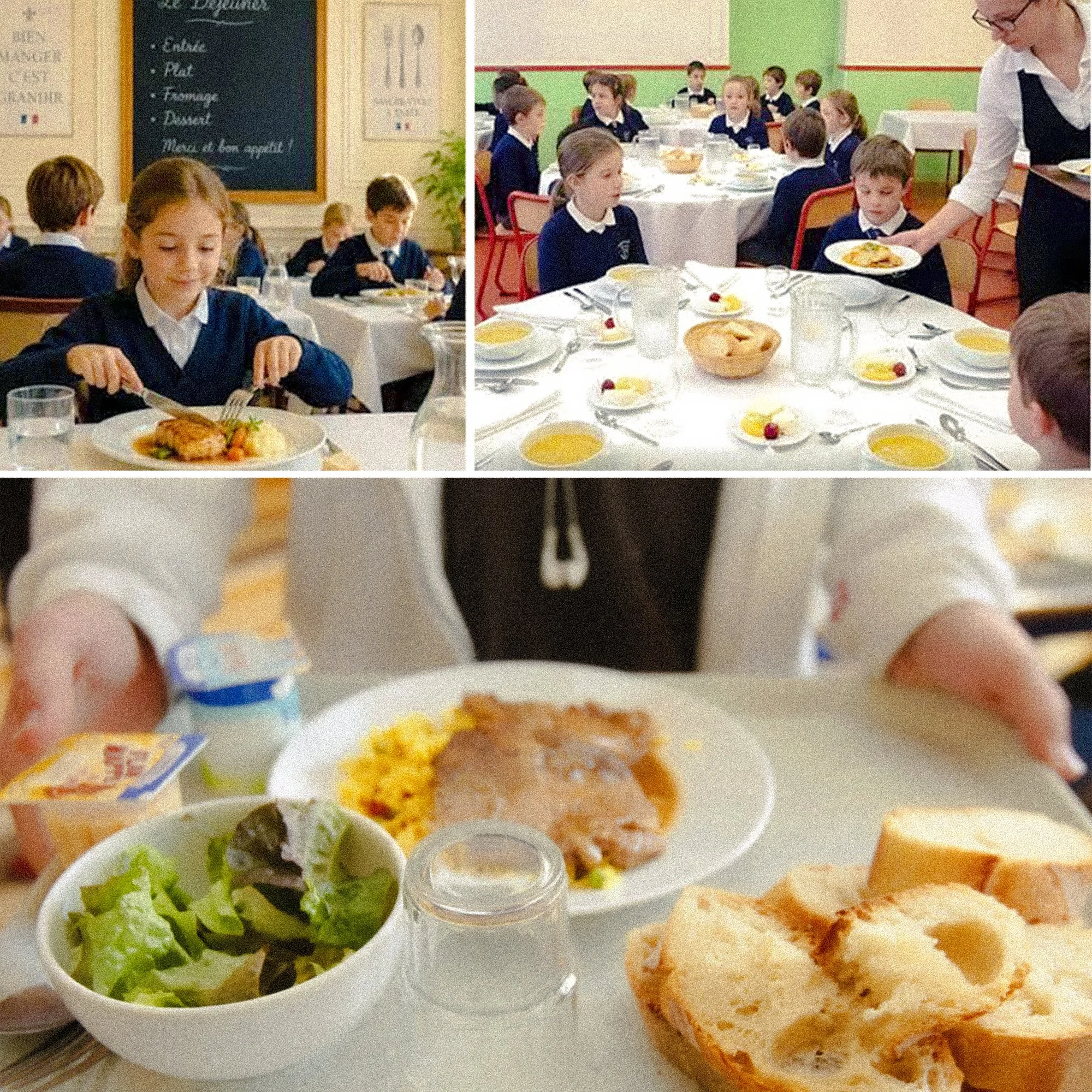
The rules of dining for children
Children must wait for everyone at their table to be served before they begin to eat.
They must hold their fork in their left hand and their knife in their right hand throughout the meal.
They must sit up straight and keep their hands and wrists visible on the edge of the table.
Students must taste all parts of their meal, which includes an appetizer, a main, a cheese course, and dessert.
Students must chew with their mouths closed, keep conversation at a low volume, and may not make rude noises or play with their food.
At younger ages, the children have table service. They use proper place settings, and one student per table helps refill water glasses and pass bread to the rest of the group.
Across France, all public elementary school menus are validated by a certified nutritionist and must include at least 50 percent sustainable or quality-label products, including a minimum 20 percent organic products. They also offer one fully vegetarian meal each week, a clear list of allergens, and icons showing whether dishes are homemade, organic, local, or vegetarian.
Also, wine was served in schools until 1981. It was believed to kill microbes and strengthen the national identity. Unrelated, but they also guillotined people until 1977 🤷♀️
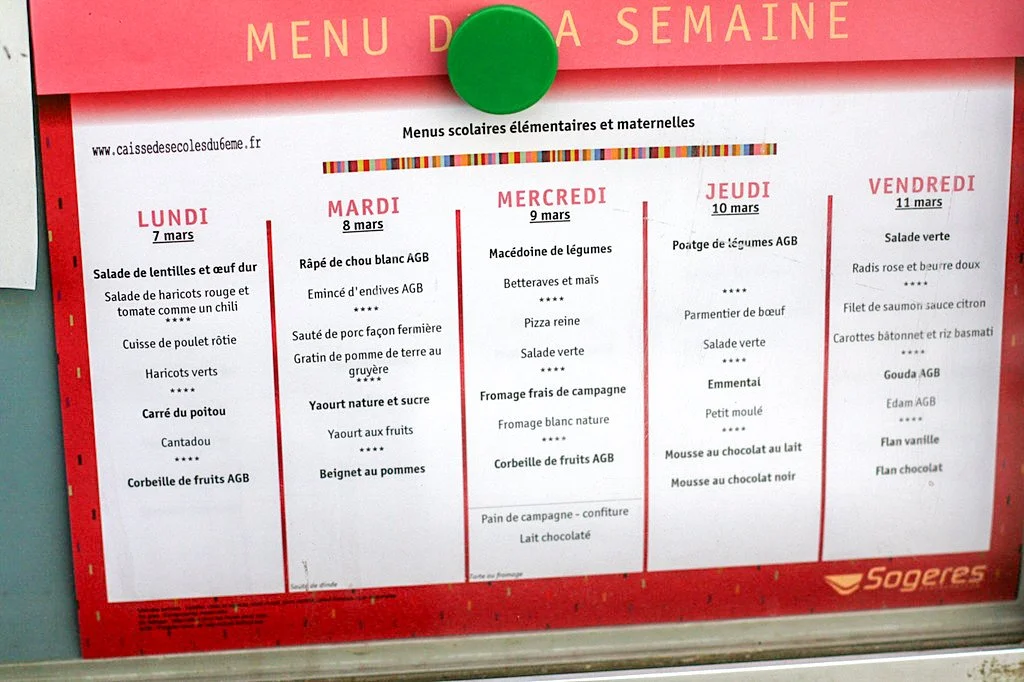
Menus are published weekly and posted outside of every school.
Seized on the sea, maritime karma
Before 1770, education was run almost entirely by the Catholic Church. The nobles had private tutors. The poor had no schooling at all. And the rest were taught primarily by the Jesuit order. Boys of modest means were taught general literacy, religious texts, Latin, rhetoric and classical literature by parish priests. The girls were taught in convents, mostly by the Ursuline order. They learned needlework and just enough reading to follow religious texts (not great, but the needlework was sick).
In the 1740s, a Jesuit priest named Antoine Lavalette was sent to Martinique to run the order's Caribbean mission. Lavalette quickly ditched the proselytising and used hundreds of enslaved Africans to convert the mission’s large plantations into a trading enterprise for coffee and sugar.
He paid his planters in bills of exchange, which were essentially IOUs that merchants in Marseilles later paid after the goods reached France. In 1756, during the global colonial conflict of the Seven Years’ War, English privateers seized Lavalette’s shipments. The losses cascaded and eventually led to the seizure of much of the Jesuits' property in France and their expulsion from the kingdom. With the priests gone, the French education system had a serious problem.
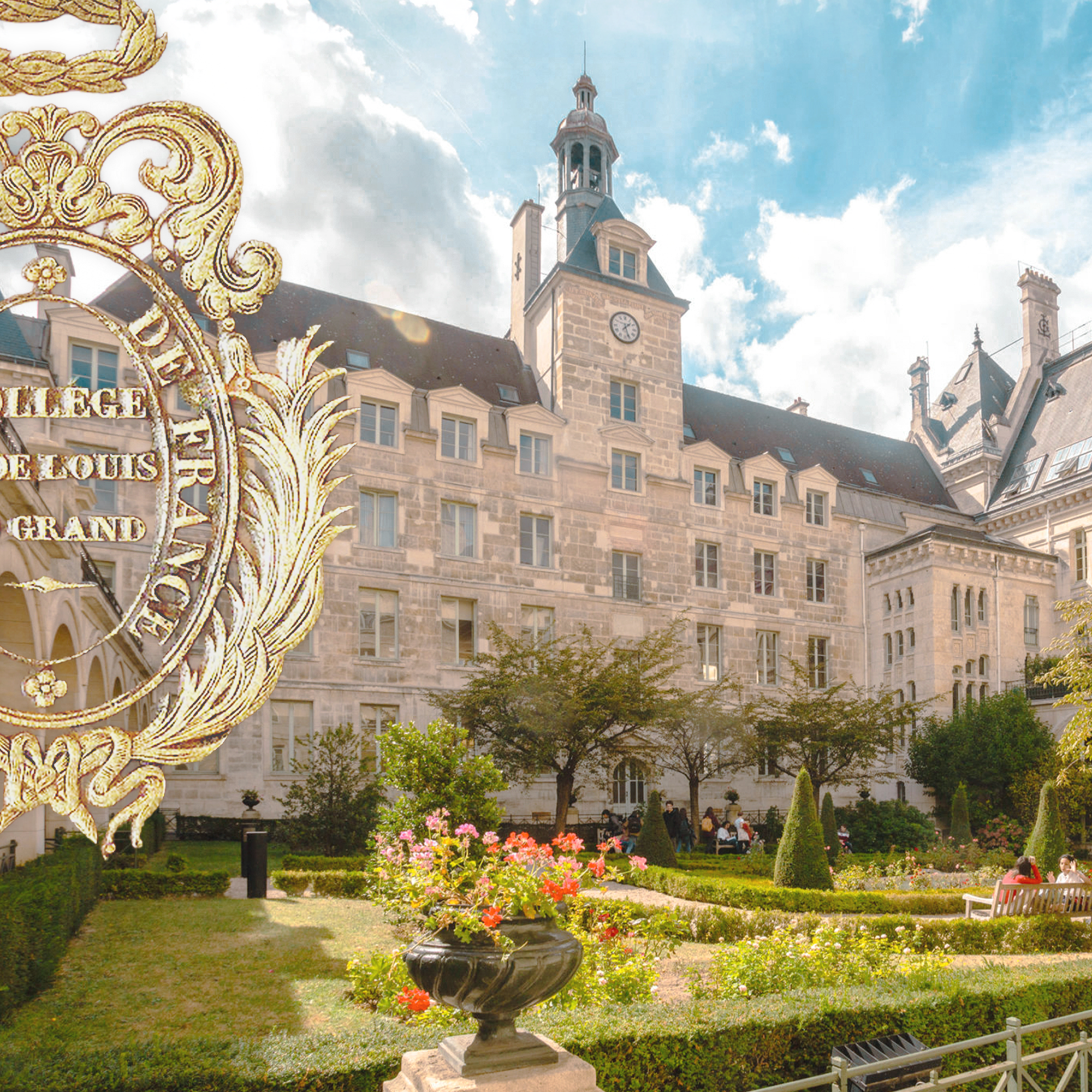
The Lycée Louis-le-Grand is a Jesuit school in Paris founded in the early 1560s. It is considered the apex of France's secondary education system. Their website is a trip.
Secularism is so hot right now
Seven years later (1763), the Essai d'éducation nationale was published by La Chalotais, arguing that education should not serve the Church. He believed children should speak French instead of Latin, focus on geography, history, math, and science, and learn a civic code of ethics taught by laypeople.
Thirty years after that (1793), Nicolas de Condorcet transformed these Enlightenment theories into revolutionary action. He insisted that state-run education had to be free, universal, and equal for all citizens, including women, because political equality was meaningless without equal access to knowledge. (FYI, women couldn't even have bank accounts in France without their husband's permission until 1965, so this “education equity” is suspect.) He also demanded a strict separation of Church and State, laying the foundation for France's policy of laïcité (secularism) in schools. In the 1880s, Prime Minister Jules Ferry led legislative reforms that made primary schooling free, compulsory, and secular, nearly 120 years after the expulsion of the Jesuits.
Botched battles and gastronomic nationalism
While France was pulling together a more-or-less functioning public school system, an insect infestation known as the Great French Wine Blight wiped out over 40 percent of French vineyards. Wine production fell by 70 percent. A national identity crisis ensued 😵💫
France was also suffering from embarrassing failure on the battlefield. The Franco-Prussian War led to the unification of Germany, the loss of Alsace and part of Lorraine, and helped set the stage for World War I 😬
Desperate to boost morale and restore some sense of national dignity, the French turned to cultural superiority (surprise!), particularly food culture. They grafted European vines onto American rootstocks to fix the wine problem, and introduced the terroir system, a legal and moral position that particular patches of French soil have inimitable character traits.
Like, Champagne is only Champagne if it's made from specific grapes grown exclusively in the Champagne region over Kimmeridgian limestone and chalky soils. And Roquefort is only Roquefort if it's made from the raw milk of regional Lacaune sheep and aged inside the limestone caves of Mont Combalou. Nearly 500 official agricultural products are protected under this system, the appellation d'origine contrôlée (AOC).
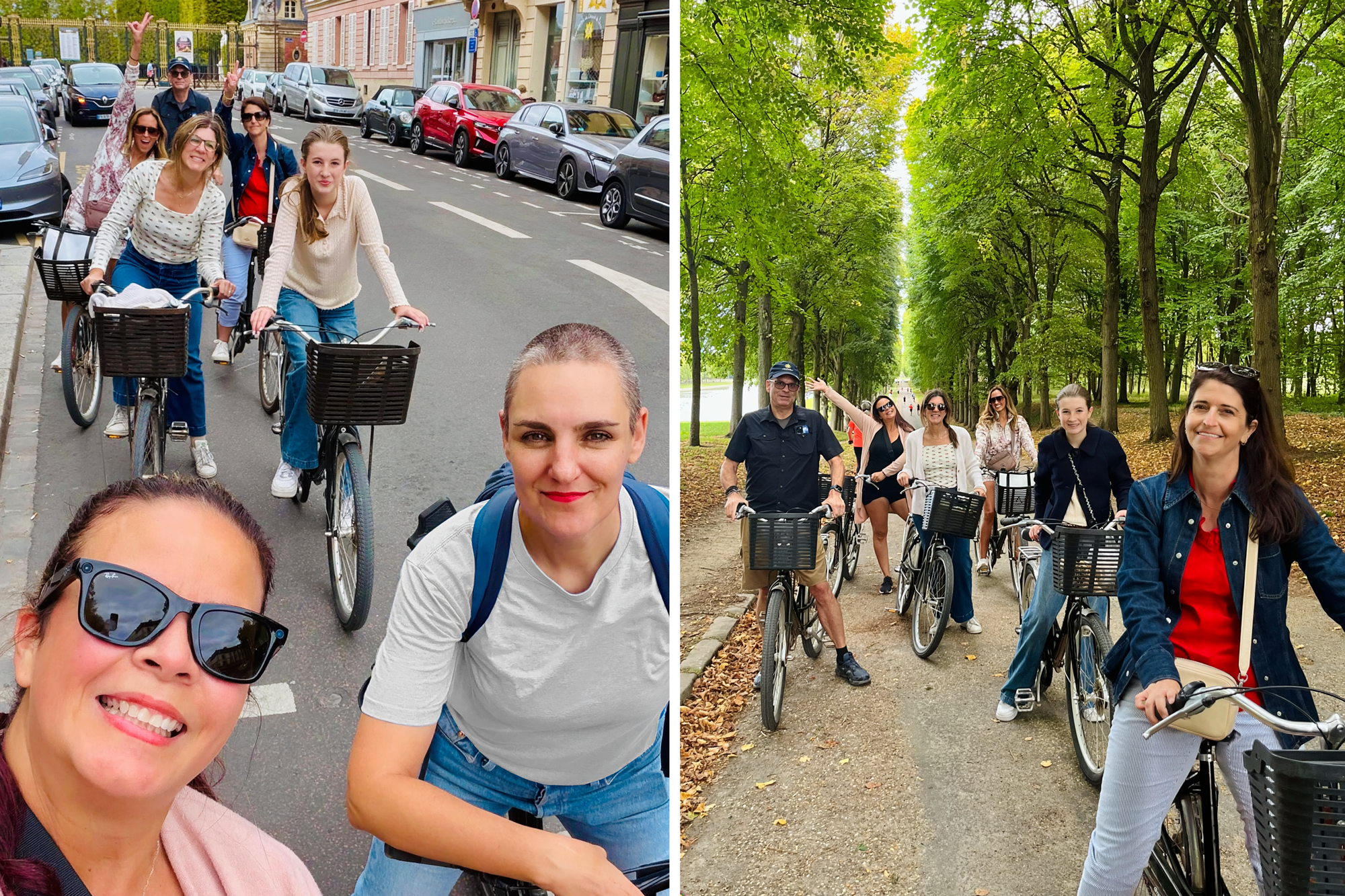
I had these total lunatics from California, Florida, and D.C. on tour last week! The bonding ended with a WhatsApp group after the tour 😝 RBC 🔥 4 EVA!!!
The school lunch flex
While legendary chef and restaurateur Auguste Escoffier advanced and codified French cuisine for the Parisian elite (and eventually the rest of the world), every child, regardless of class, was also being inducted into the national palate through the newly established school system.
School lunch in France is as much about nutrition and table manners as it is about nationalism, republican values, and developing one's own taste (goût). Today, this cultural flex is also about sustainability and responsible farming practices. Agroecological transitions are supported through government farm subsidies, AOC products are fiercely protected, GMOs are banned for commercial cultivation, as are growth hormones in livestock. There's a reason everything tastes better in France.
Check out a few school meals from the week
Toulouse sausage with polenta, homemade grated carrot salad, organic fromage blanc and red fruit coulis
Homemade butter-parsley baked sea bream with potato salad, broccoli, peas, and butternut squash, Saint-Nectaire cheese and applesauce
Italian-style organic vegetarian meatballs with Bolognese sauce, mixed diced vegetables, Tomme des Pyrénées cheese and organic oranges
While researching this edition of The Rebel Paris Dispatch, I found a cookbook called French School Lunch Recipes written by a French school chef named Rebeca Plantier! You can download the full PDF and make a few meals for your own kiddos this week. If you do, please let me know how it goes!
Also…
I am not on social media ⚔️ and this is my way of staying connected, sharing my community, and praying that you tell all your friends, family members and coworkers to book a tour with me.
If you liked this story, share it!