The king's gardener, the guillotine, and your afternoon in the park
Issue No. 1 ⚜️ June 9, 2026
This edition of the Rebel Paris Dispatch is dedicated to my mother, Nikki, a gifted gardener and a friend to all topiaries.
By the end of June, Paris will be luxuriating in nearly 18 hours of sunlight a day. You will find me in the (no hyperbole) extraordinary parks. They are the physical legacy of a genius, a king, and centuries of revolution, ultimately the embodiment of the official French motto Liberté, Égalité, Fraternité. This is the story of how a royal gardener named André Le Nôtre accidentally gave us the perfect place to drink rosé on a Tuesday afternoon.
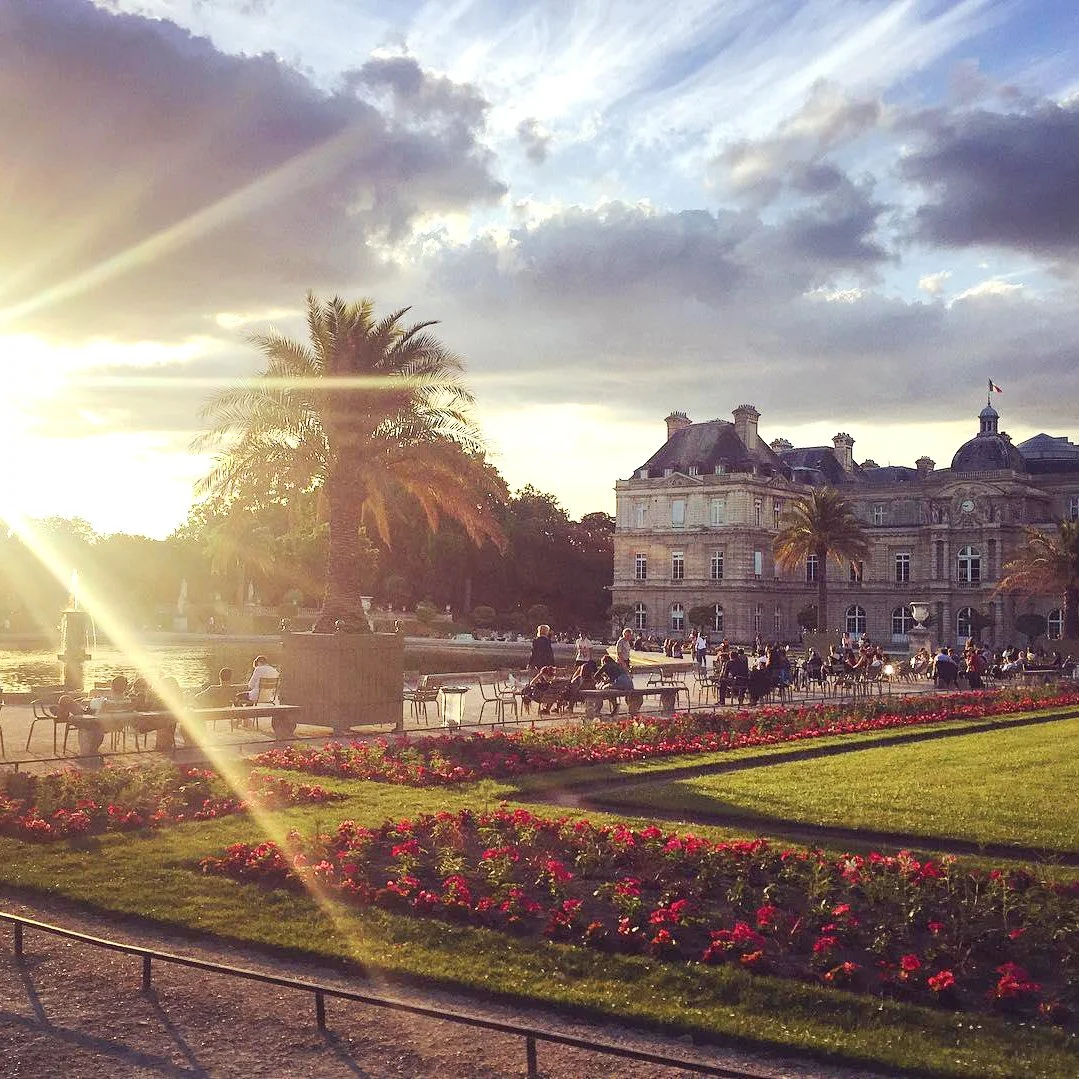
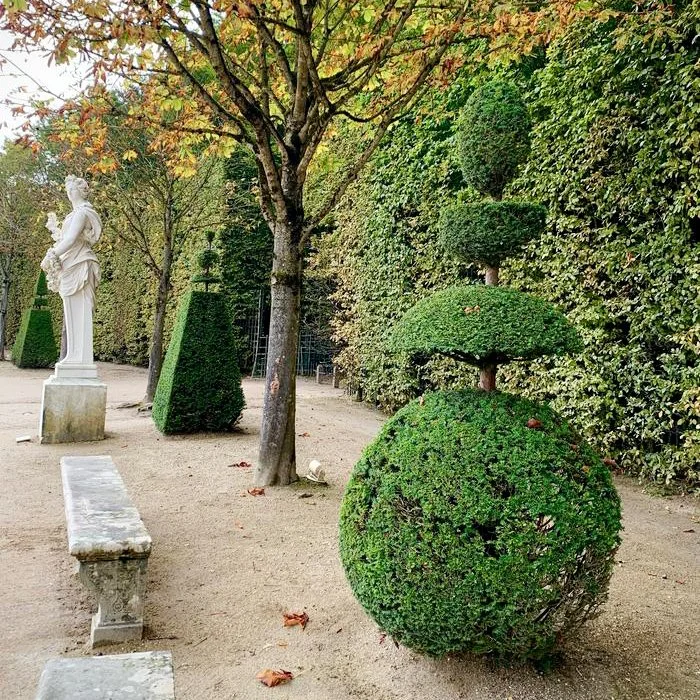
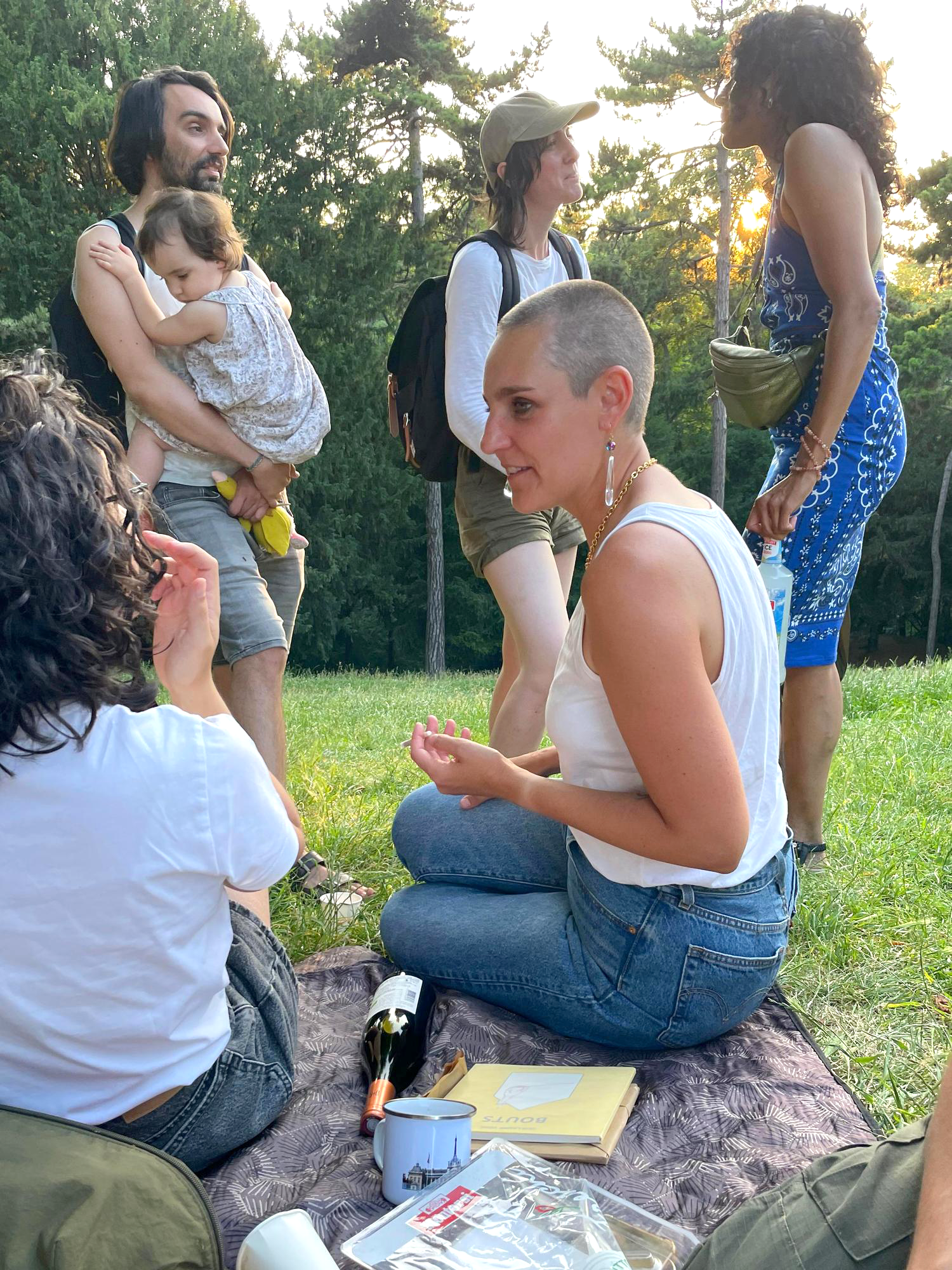
Some of my favorite parks: The Jardin du Luxembourg is the one I walked into obliviously when I first moved to Paris. I felt like I had passed through some kind of illuminated portal, straight into heaven (first pic below). Parc des Buttes-Chaumont is my local, a vast, beautiful sprawl with dramatic elevation changes, a shallow pond, an overlook gazebo and a suspension bridge. Bois de Vincennes is my favorite and easiest escape to nature. A 25-minute bike ride takes me to a 14th-century castle and nearly 2,500 acres of medieval forest. And, of course, there’s the expansive, outrageous property of Versailles, where I have the privilege of leading tours. This feels more like summer camp than actual work.
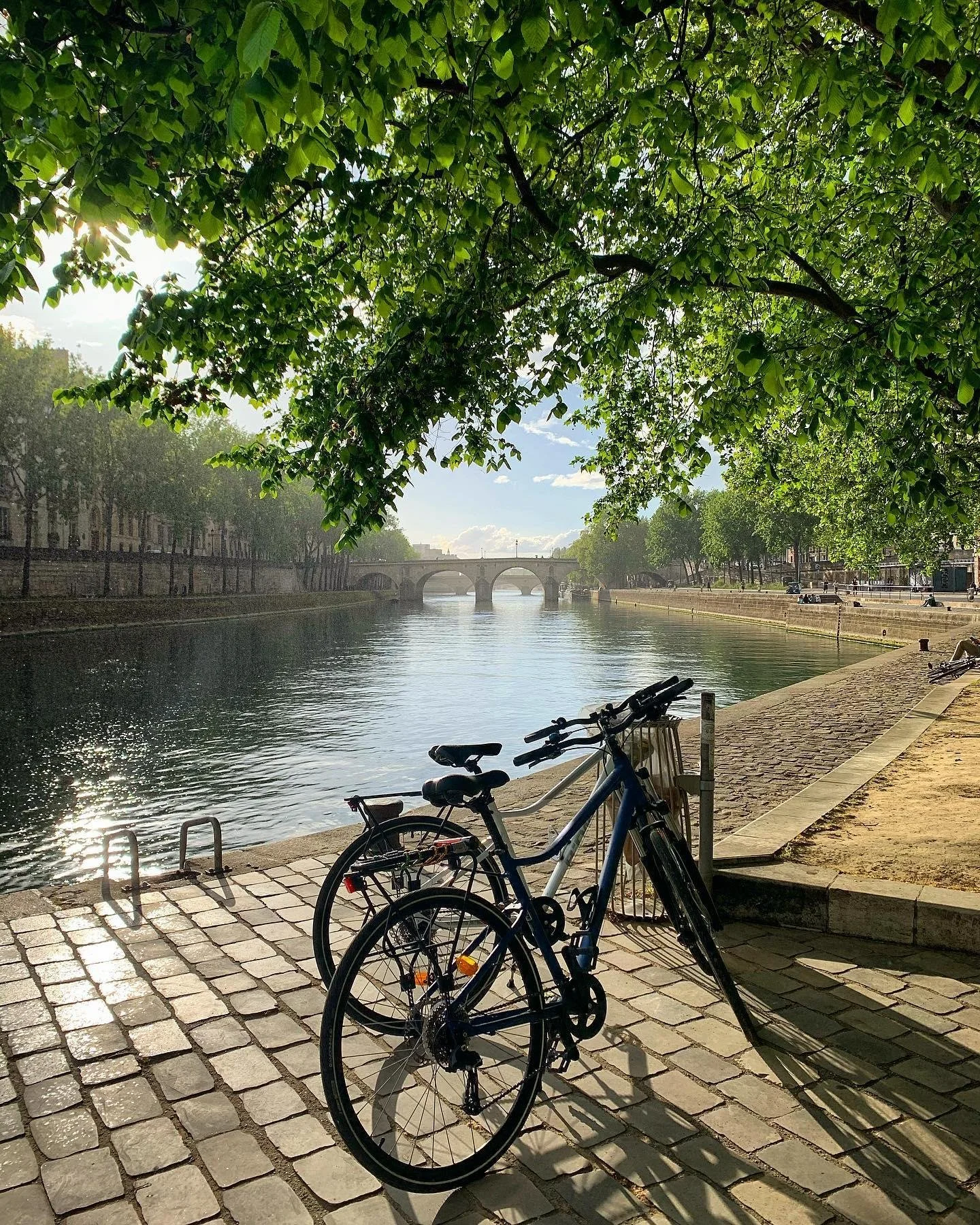
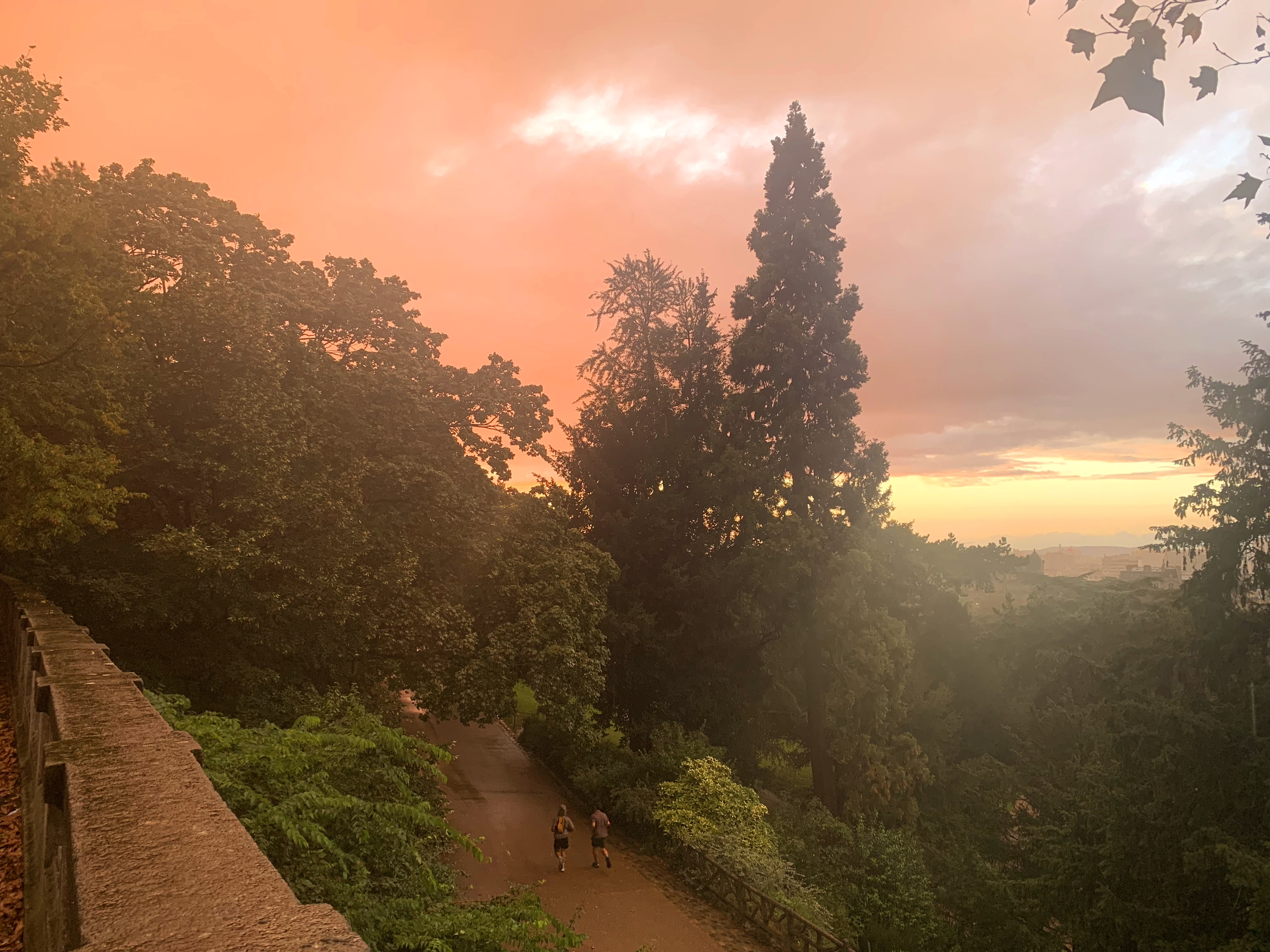
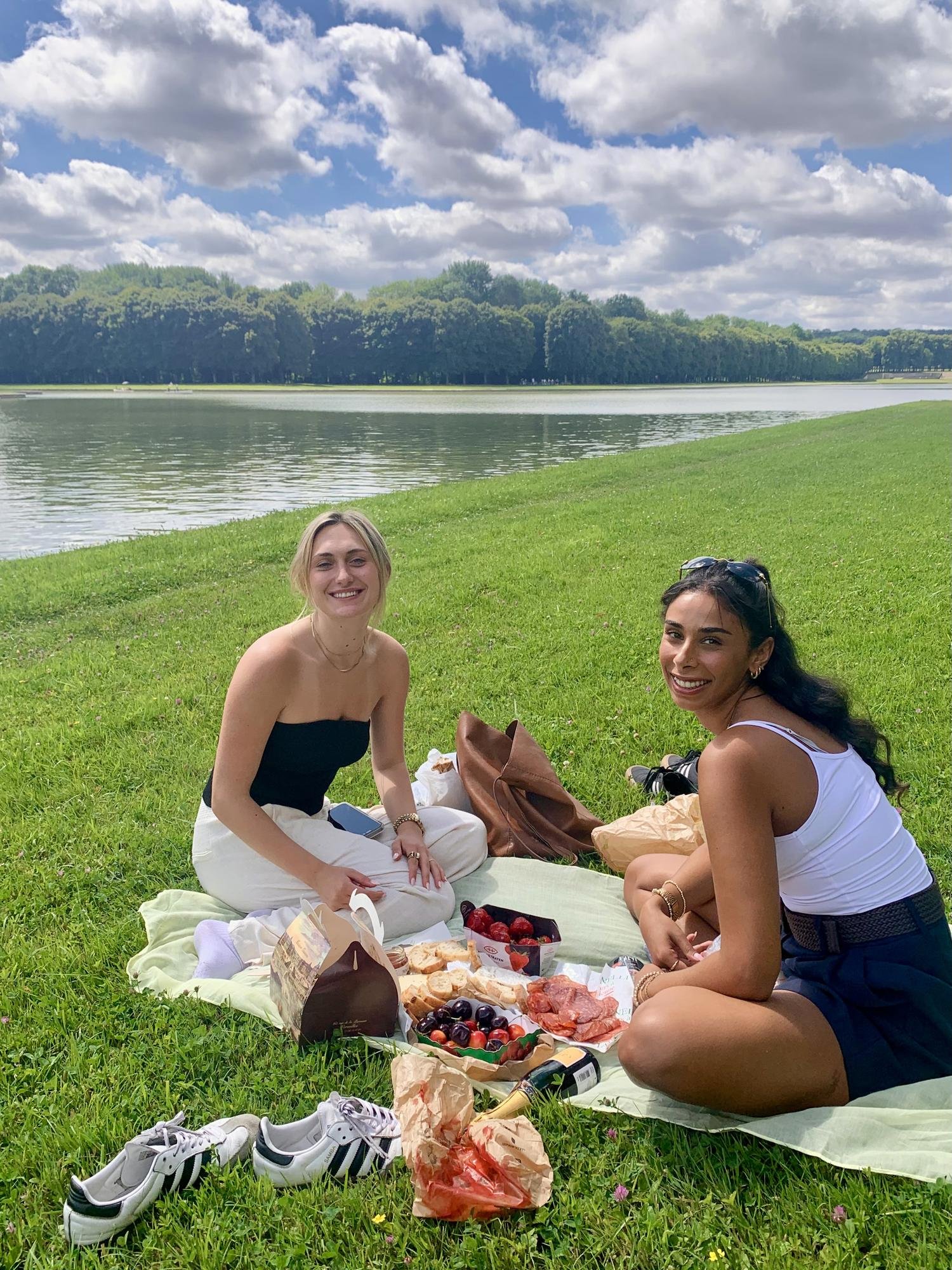
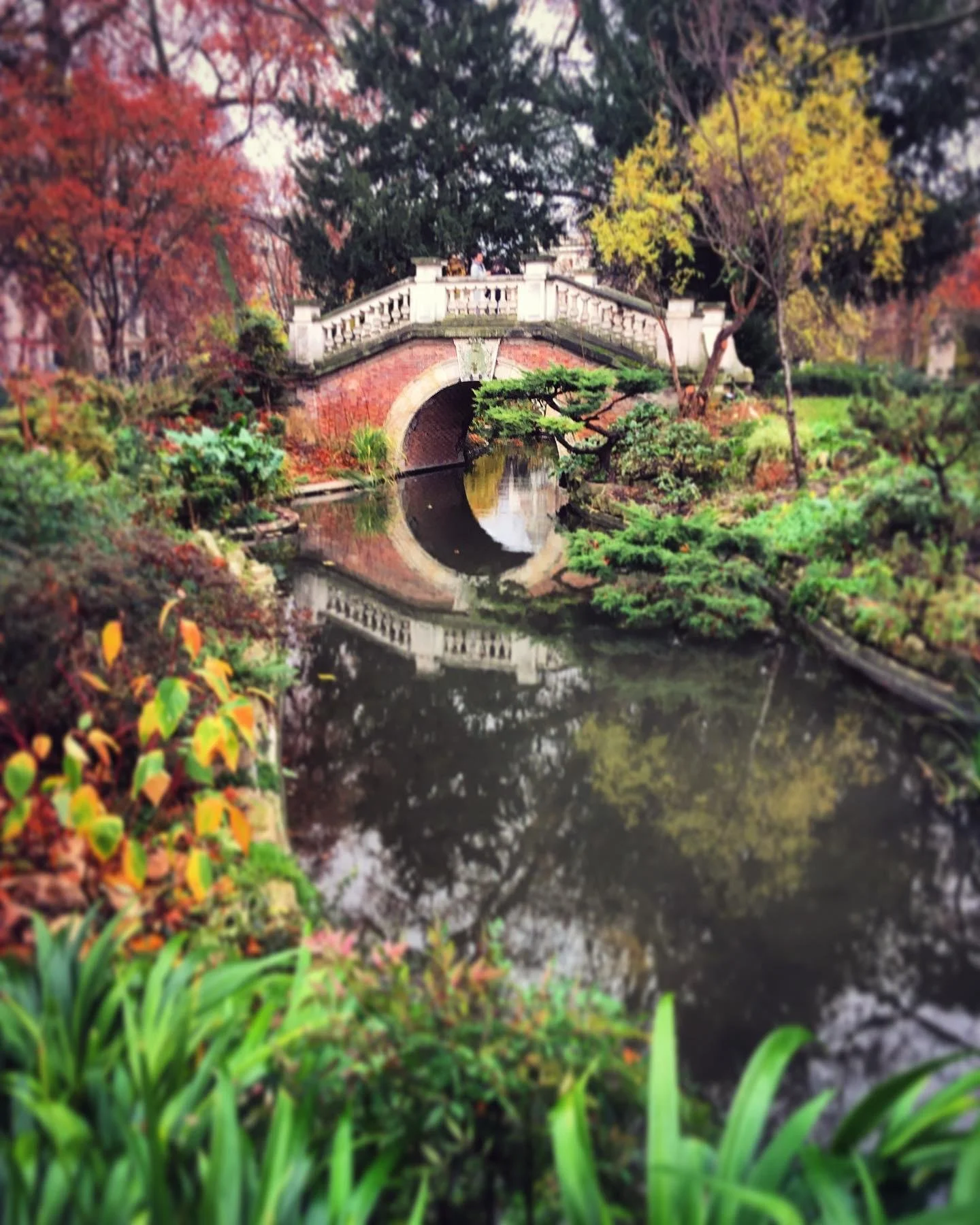
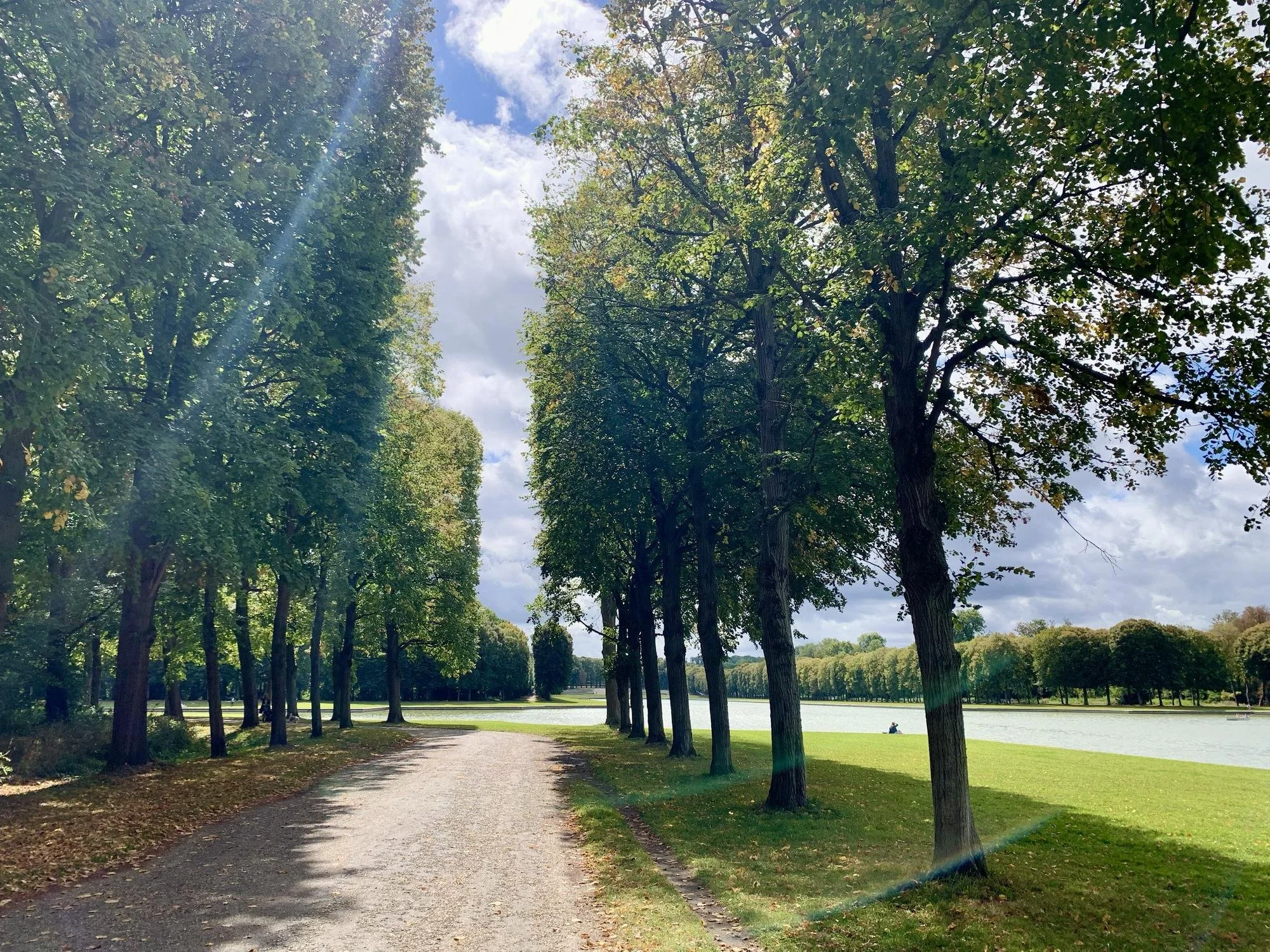
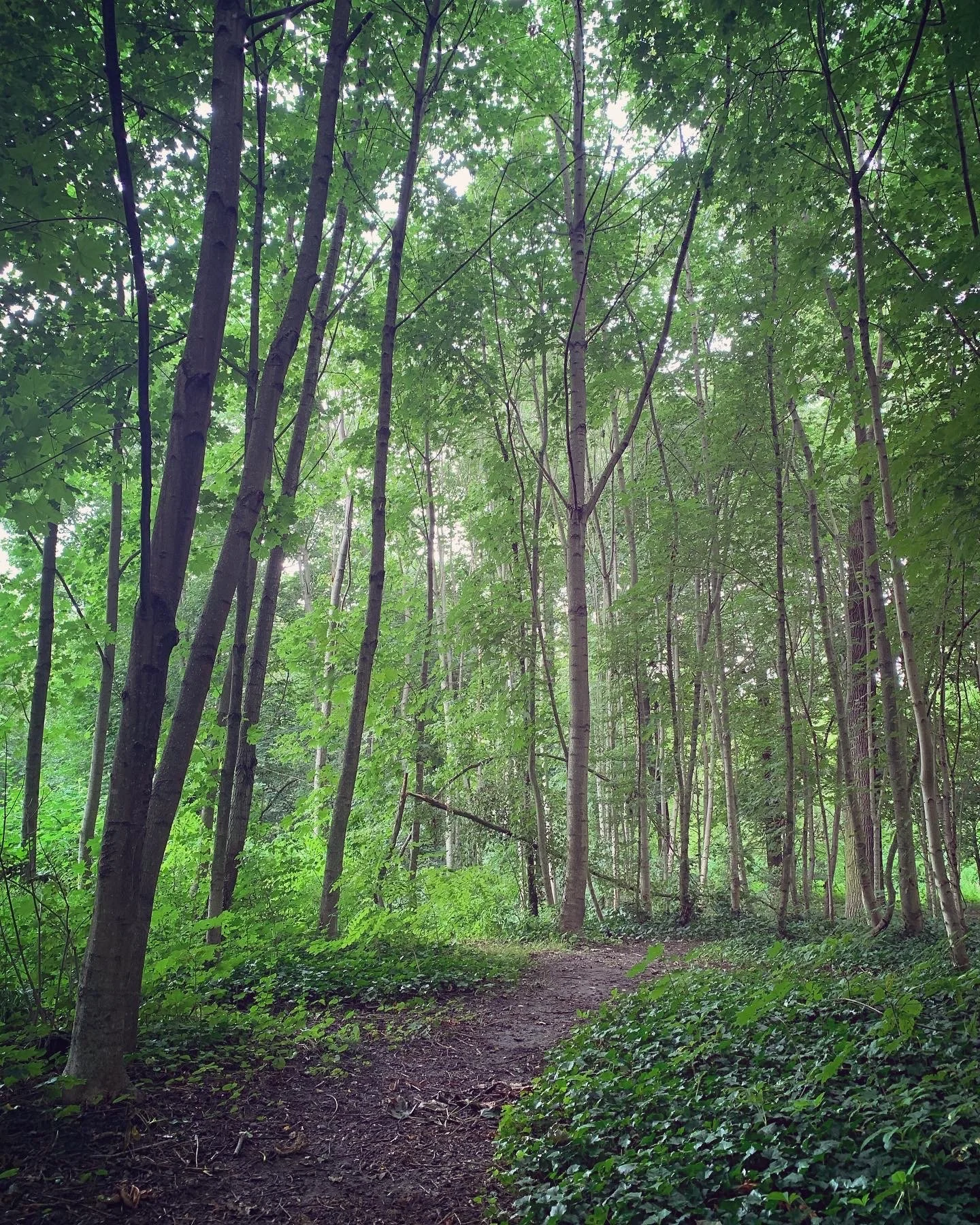
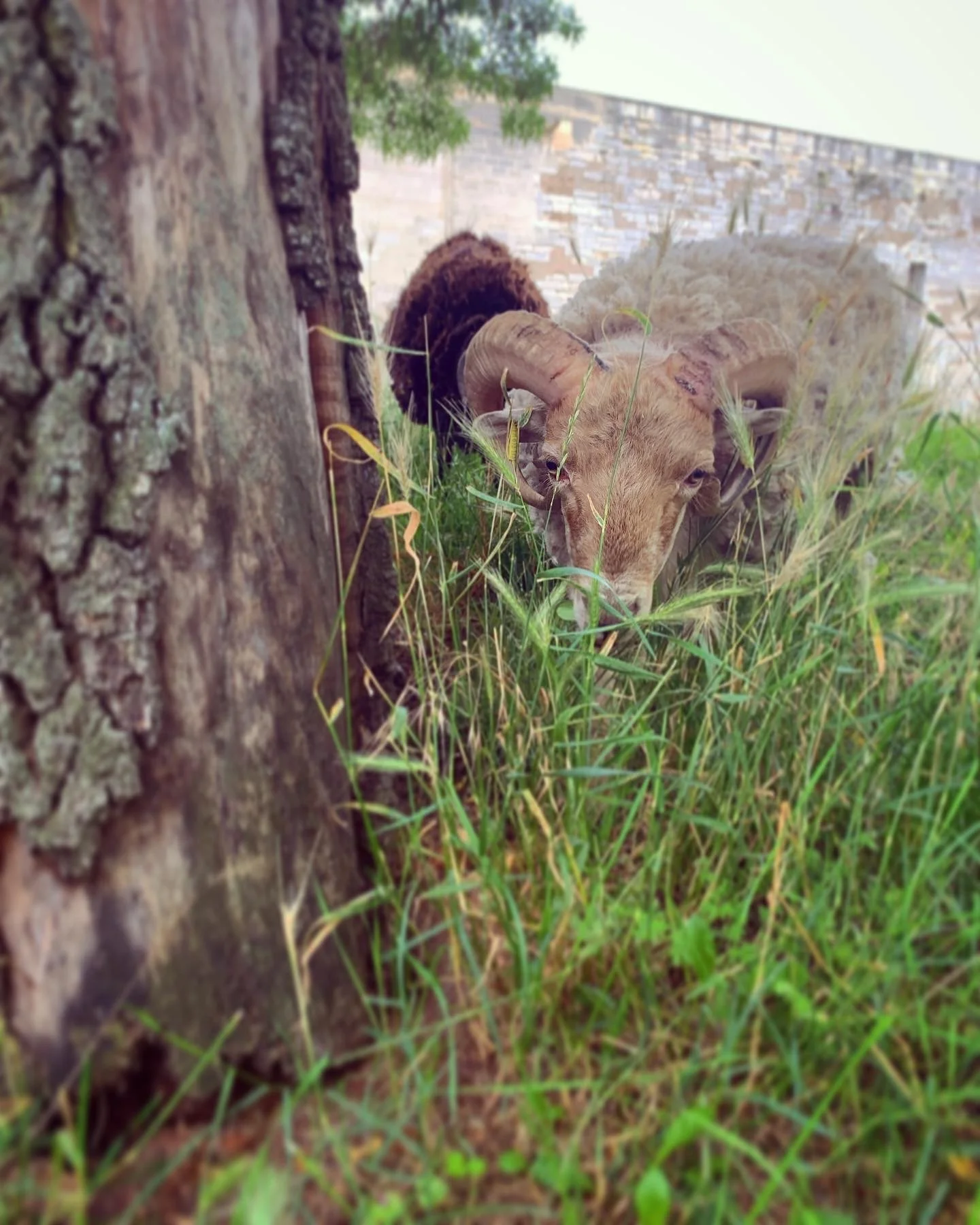
Former Mayor Anne Hidalgo installed 550km/340 miles of bike lanes in Paris. Air quality is improving and many residents take advantage of the opportunity to enjoy their commute, take their children to school on bikes, and feel the wind in their hair. Her most controversial urban contribution, though, was permanently closing the freeways along the Seine and replacing them with beautiful pedestrian walkways. The riverbanks are now an untouchable UNESCO World Heritage site. Our new mayor, Emmanuel Grégoire, has pledged to make another 1,000 streets in Paris car-free and turn the périphérique (the road that encircles the city of Paris) into an endless green boulevard. His "right to beauty" position aims to ensure that all people in Paris have access to gorgeous public spaces. Very cool.
Where does this “right to beauty” come from?
I introduce my first rebel. About 400 years ago, he inadvertently bequeathed to us modern mortals idyllic places to draw, read, think, drink rosé and play pétanque with our friends all summer long [see term BOBO scum].
I give you André Le Nôtre [1613-1700], a visionary and creator of the jardin à la française—the formal French garden. Le Nôtre leveraged technical, scientific and artistic achievements of his time to control nature at a massive scale. He translated the monarchy’s absolute power into physical landscapes. Le Nôtre’s concept was radical—how we choose to control the nature around us communicates a lot about the political authority of our time.
The setup
Le Nôtre was a third-generation royal gardener whose grandfather helped realize the commission of the Jardin des Tuileries by Catherine de Medici in 1564. His family legacy, immersive training and rigorous education in painting, architecture and mathematics positioned him for his future as a creator of landscapes for the ruling class.
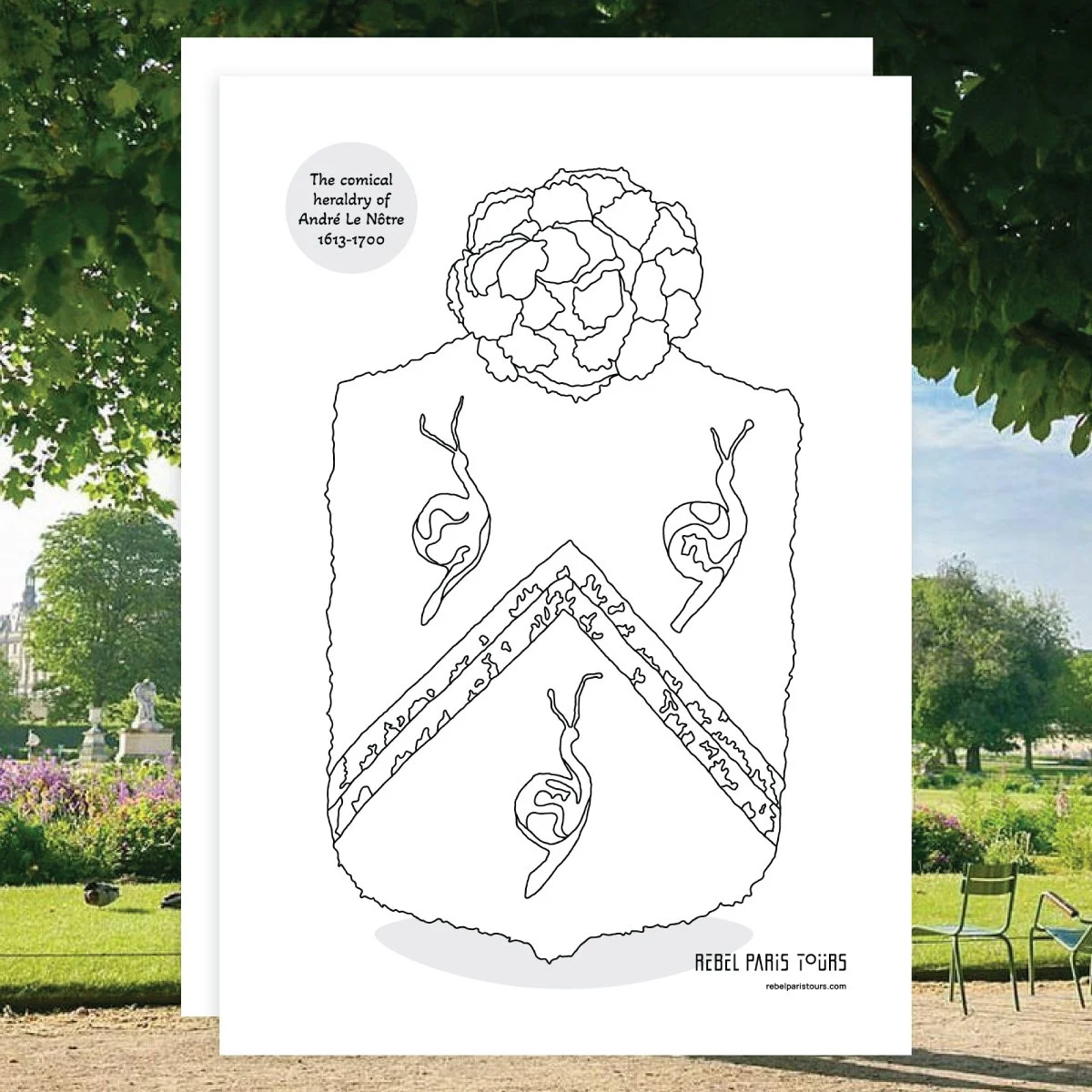
Technically a servant to Louis XIV (The Sun King, très important), André and Louis shared an unusually close relationship of warmth, mutual respect and genuine collaboration (the King was not normally pal-y with the help, if you catch my drift). André was later granted noble status. For his coat of arms, he ironically chose three snails on a spade, crowned with a cabbage. A genius with a sense of humor. My favorite kind.
I made you a coloring page, download it here!
The genius stuff
Formal French gardens from previous generations were beautiful, but like the medieval drawings of their time, they also needed a serious lesson in perspective. They were flat. Lovely from above, not that great from ground level. André Le Nôtre transformed these flat environments into radical earthworks.
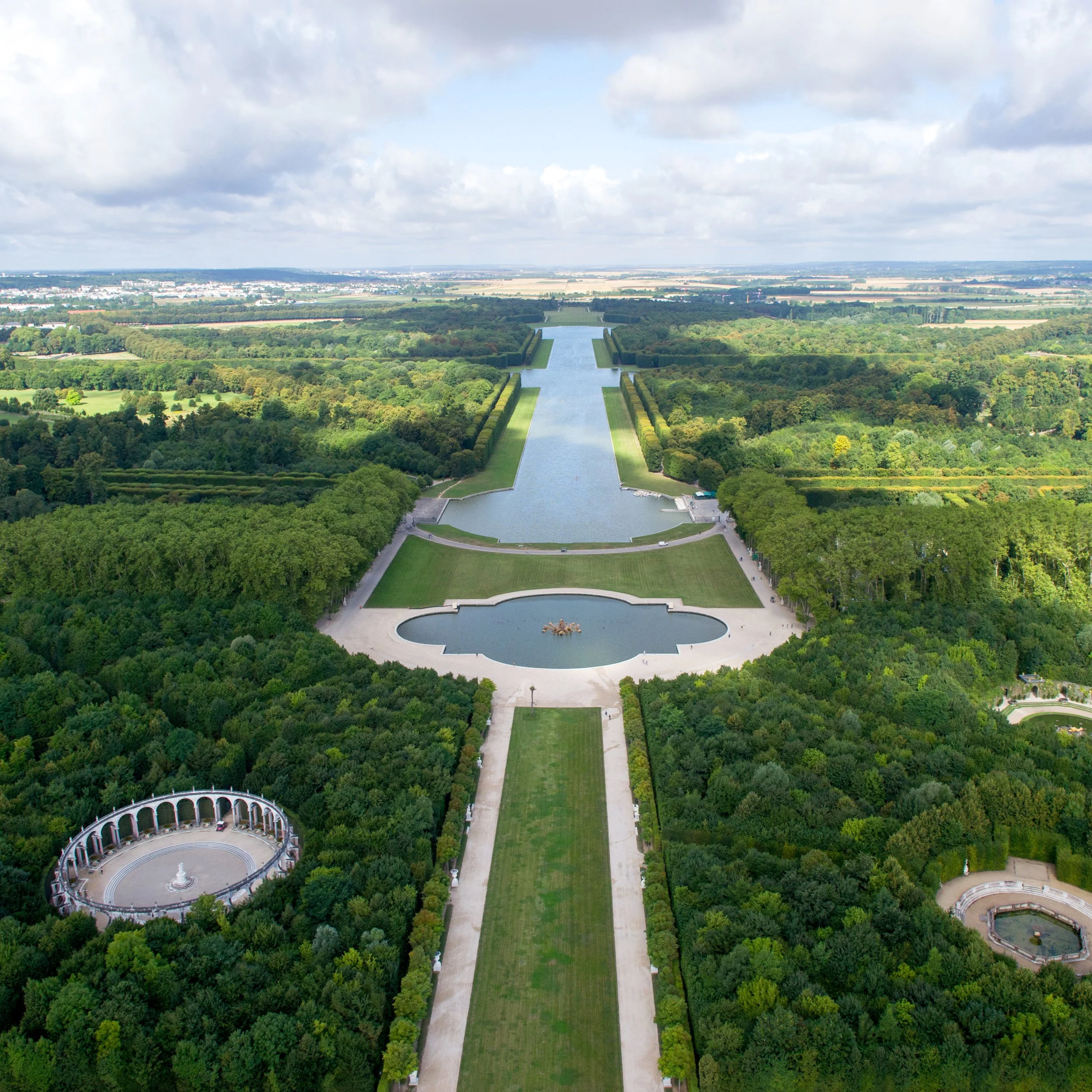
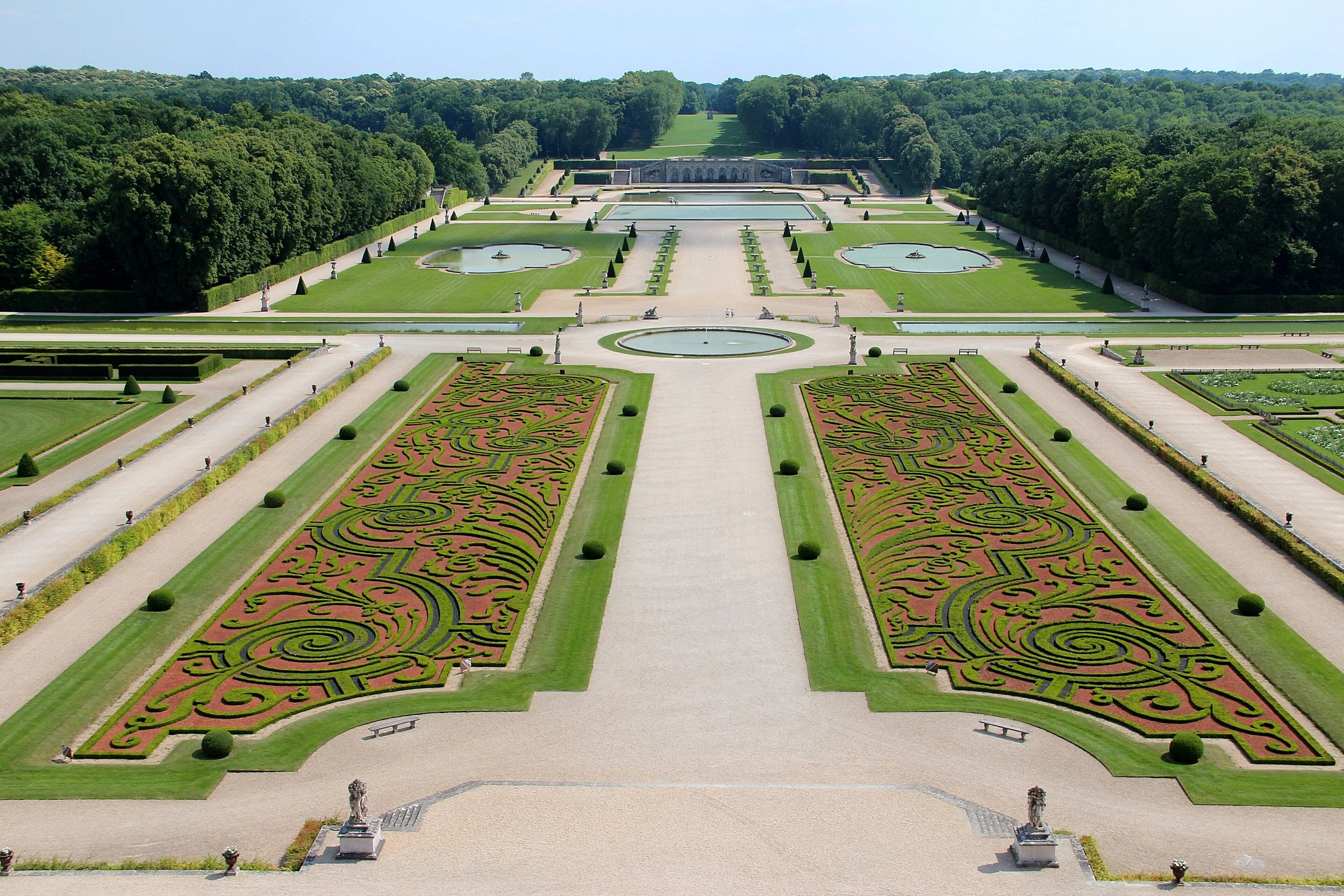
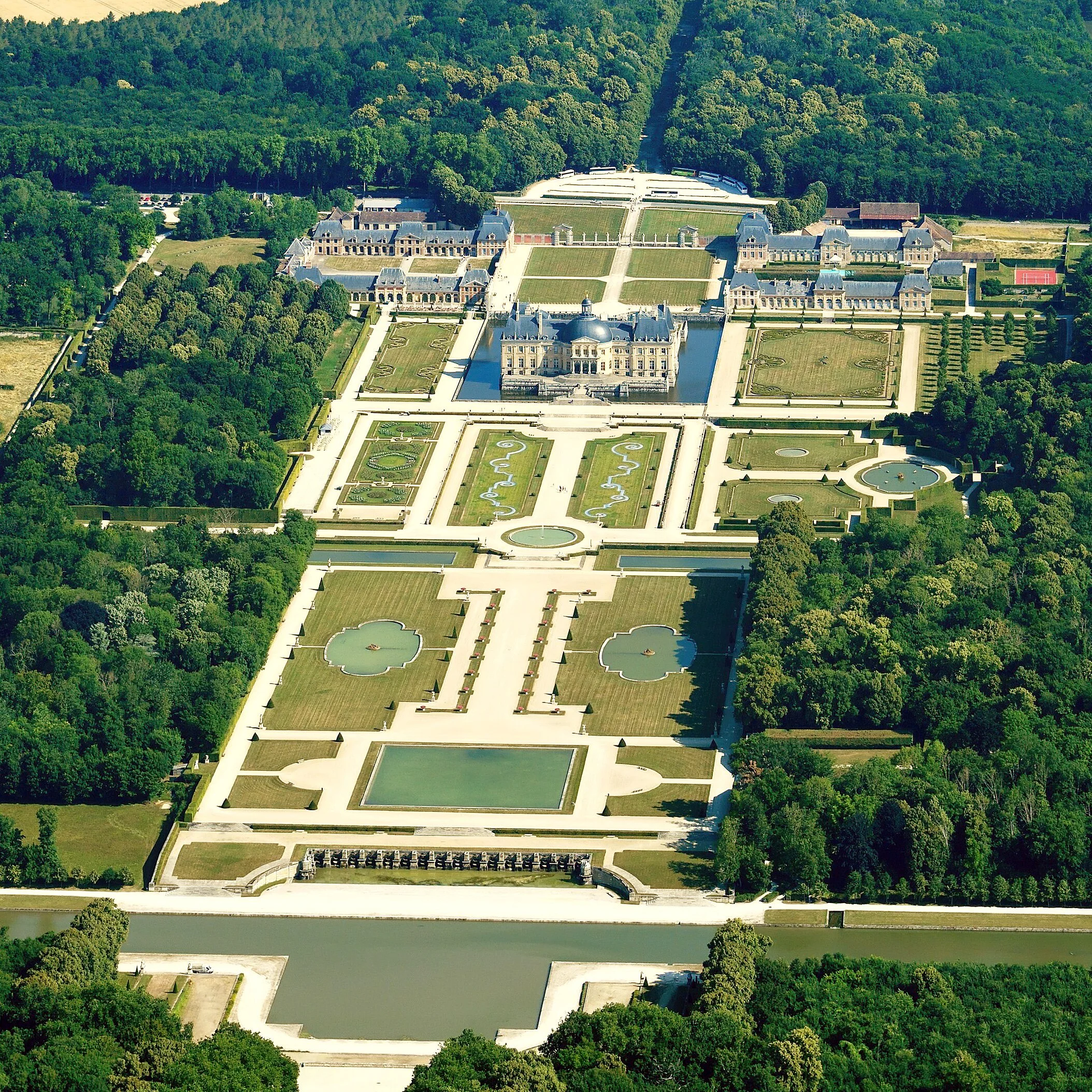
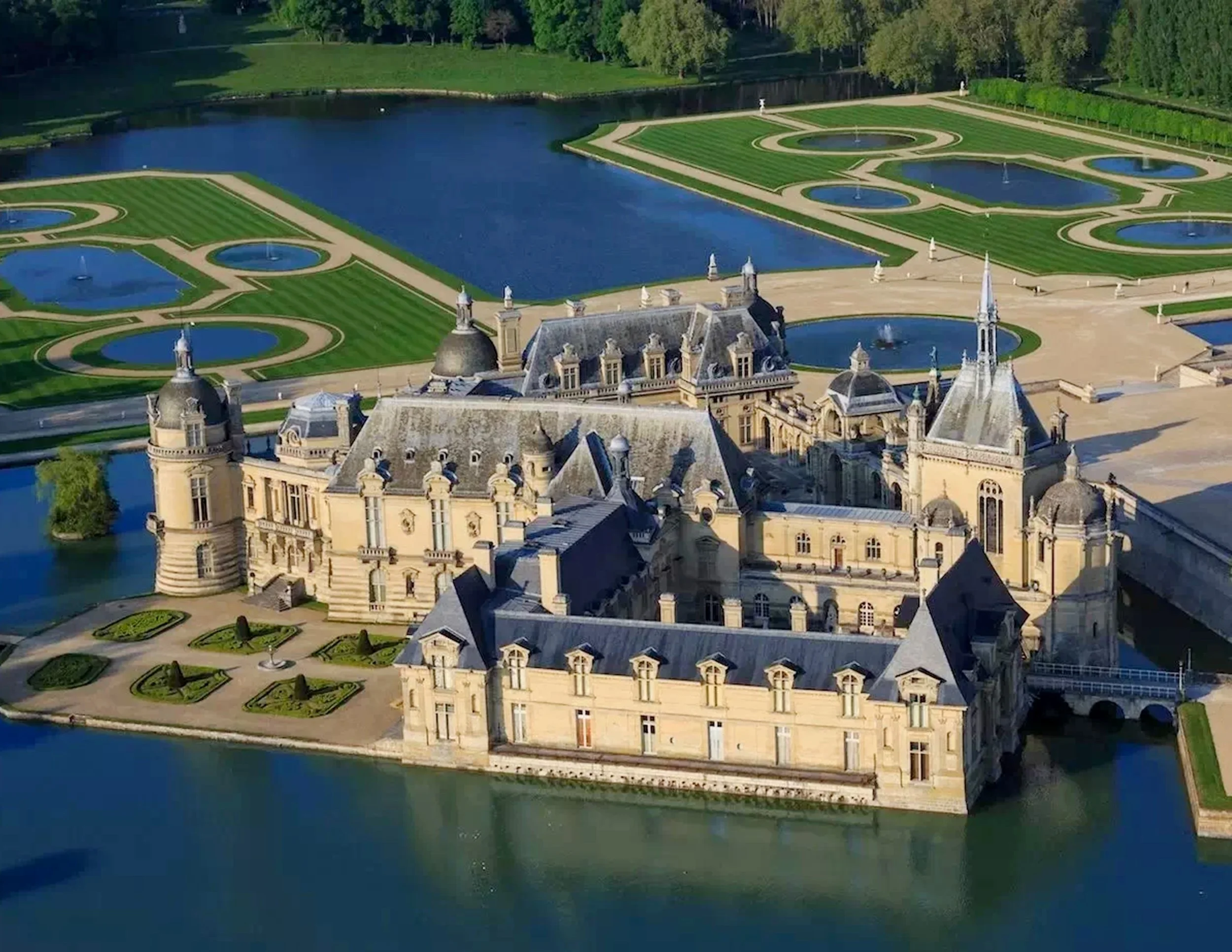
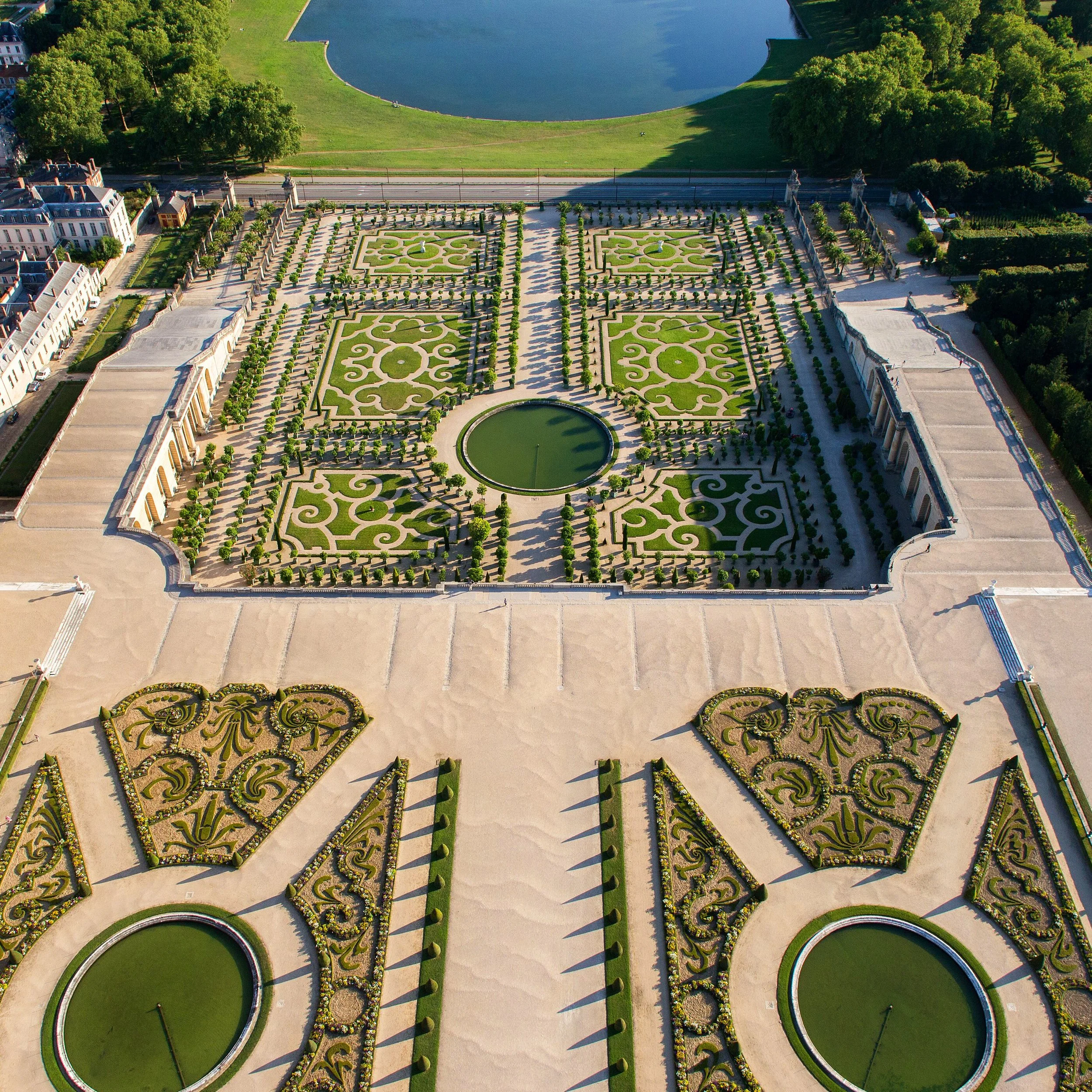
Le Nôtre used a lot of math to force visual perspectives, creating infinite horizons and unexpected vantage points as one walked through the landscape. He used flat water surfaces to produce mirrored, geometrically perfect planes. Grand canals created second skies, light sources and structural axes from which to organize the rest of a landscape. Fountains, jets, and cascades were deliberately choreographed, spectacular moments used to define the edges of outdoor rooms and mark intersections of pathways. Hydraulics were a major battle. In Versailles, for example, there was no water source. Every design was engineered to use water brought from the Seine, 8 miles away (in 1670, sooo). Le Nôtre also inlaid vast carpets of lawn as visual transitions between architectural and planted zones and elaborately “embroidered” low hedgework patterns to create living tapestries.
Beauty as power
For the king, André Le Nôtre created environmental statements of absolute power, political manifestos written in earth and water that were impossible to ignore. Beauty was domination over nature itself. These ideas became the international standard for royal and aristocratic gardens for over a century.
During the Enlightenment, skepticism of authority grew. Subversive books and pamphlets introducing ideas about natural rights and human dignity were illegally and broadly disseminated.
The dam burst on July 14, 1789. For years after, anyone with a crown and nearly 40,000 others were decapitated by guillotine. Revolution raged for almost a century before a constitutional monarchy was enacted in 1870. It wasn’t until 1958 that France established the fully democratic system of government we have today.
Beauty for all
After centuries of feudal and authoritarian oppression, momentous violence and the total transformation of power structures, “beauty for all” is an expression of solidarity, a manifestation of Liberté, Égalité, Fraternité. It means that a beautiful city is a just city.
So, while you enjoy the truly magical days of summer in Paris, the gardens and parks, the promenades by the Seine, remember that less than 100 years ago, these spaces weren't for us. Perhaps it doesn't apply to genius garden design, but sometimes seeing things as they are is a lot more interesting than seeing things as we wish they were.
Vive la France. Vive l’histoire! Now get outside and enjoy summer.
Also…
I am not on social media ⚔️ and this is my way of staying connected, sharing my community, and praying that you tell all your friends, family members and coworkers to book a tour with me.
If you liked this story, share it!